
Computer Vision
Computer vision systems for video, mobile capture, and real-world operations
Vision systems for inspection, perception, and automation with production-ready data and model pipelines.
We build vision systems that have to work outside the lab: across live or recorded video, field capture on mobile devices, changing lighting conditions, and real deployment constraints.
That usually means treating data pipelines, labeling quality, model evaluation, device constraints, and downstream integration as part of one delivery problem instead of separate projects.
Terreaux Runtime
Queued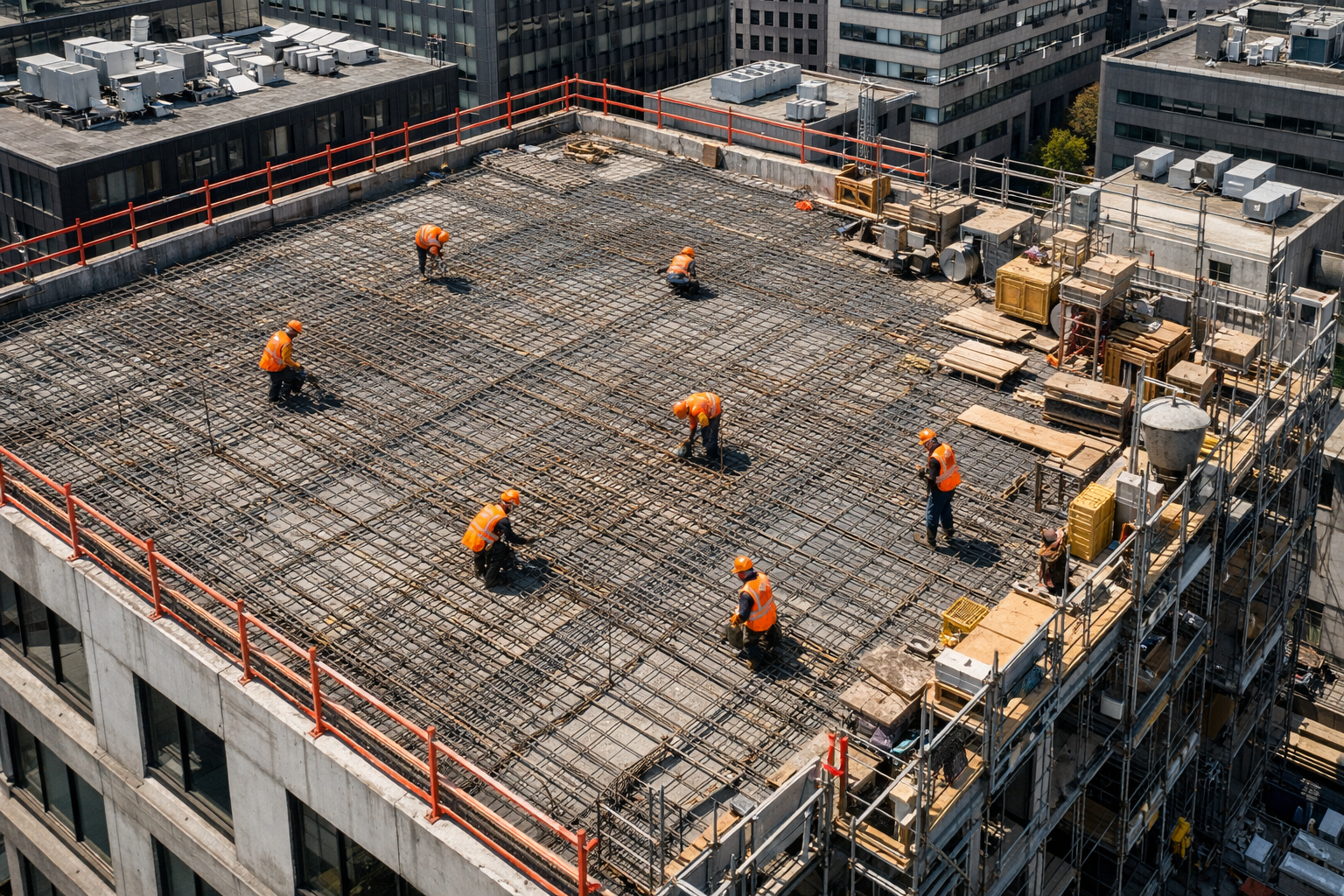
Video detection
Object detection, tracking, and event logic across live feeds or recorded footage.
Mobile-device workflows
Capture and inspect images from phones or tablets with on-device or hybrid inference.
Edge and cloud deployment
Choose the right serving path for latency, connectivity, hardware, and cost.
Data and evaluation pipelines
Labeling, QA, regression testing, and production monitoring around model behavior.
Example use cases
Vision systems are strongest when they are tied to a decision, an alert, or an automation path rather than a standalone model benchmark.
Video analytics
Object detection in operational video
Detect vehicles, equipment, PPE, defects, inventory, or site events across camera feeds with thresholds, alerting, and review workflows.
Field inspection
Mobile-device capture and inspection
Use phones or tablets to capture images in the field, run on-device or hybrid inference, and return structured guidance to the operator.
Automation systems
Perception for quality and control
Connect classification, localization, and scene understanding to QA workflows, robotics, or downstream business logic.
Delivery model
Computer vision delivery usually starts with acquisition conditions and labeling strategy, then moves through model training and deployment constraints together.
Delivery phase
Define the visual operating envelope
Map cameras, devices, motion, scene variation, environmental conditions, and the decisions the model needs to support.
Delivery phase
Build the data and model pipeline
Establish collection, labeling, training, evaluation, and regression workflows around the target task.
Delivery phase
Deploy into the real workflow
Integrate inference with video systems, mobile apps, edge hardware, alerts, review queues, and monitoring.
System components
Production vision systems often fail on data coverage or deployment fit before they fail on architecture. The surrounding pipeline matters as much as the model choice.
Data acquisition and labeling
Capture representative imagery, define annotation standards, and maintain dataset quality as conditions change.
Model training and evaluation
Train for the actual task and validate against scene variation, precision-recall tradeoffs, and failure modes that matter operationally.
Mobile and edge inference
Optimize for device constraints, connectivity limits, thermal budgets, and local responsiveness.
Workflow integration
Push detections into alerts, review tooling, dashboards, automation layers, or business systems that can act on them.
Operating requirements
Vision performance is inseparable from the acquisition environment, the hardware path, and the downstream action the system is supposed to drive.
We usually define how much scene variation the system needs to absorb, whether inference happens on-device, at the edge, or in the cloud, and what review process exists for borderline cases.
Those decisions shape everything from annotation standards and model architecture to deployment packaging and monitoring.
- Collect data that reflects real lighting, angle, motion, and device variability.
- Choose the serving path based on latency, bandwidth, and hardware constraints.
- Add review workflows for uncertain detections or business-critical decisions.
- Track model performance after deployment as the environment and inputs change.
Outcomes
The point of the system is operational lift: better inspection coverage, faster response, clearer QA signals, and workflows teams can actually run.
Fewer missed events
Increase coverage across video and image streams that humans cannot monitor consistently at scale.
Better field and QA workflows
Give operators structured signals and mobile tools that help them act faster on what the model sees.
Deployment-ready perception
Ship with the data, packaging, instrumentation, and runbooks needed for sustained operation.
Next step
Discuss a computer vision deployment
We can scope data collection, mobile or edge constraints, model evaluation, and the downstream workflow for a vision system that needs to operate in the real world.
Engagements can include scoping, architecture, implementation, evaluation, operationalization, and handoff depending on where the program is today.